Chengdu
Home of the Giant Pandas — Sichuan Cuisine & Laid-Back Culture
Home of the Giant Pandas — Sichuan Cuisine & Laid-Back Culture
Chengdu moves at its own pace — slower than Beijing, more deliberate than Shanghai. The city is famous for three things: giant pandas, spicy Sichuan food, and an unhurried lifestyle that locals call "" (slow living). Teahouses line every street in the old neighborhoods, and the morning ritual of people reading newspapers over a pot of jasmine tea has not changed in decades. The city is the gateway to some of Southwest China most extraordinary archaeology, including the Sanxingdui Museum, whose bronze masks have rewritten Chinese civilization history.
TL;DR — Quick Guide to Chengdu:
Most visitors underestimate how much time they need here. Chengdu deserves at least two full days before you even consider heading to the surrounding mountains or the pandas. The food alone — mapo doufu, la zi ji, shui zhu fish — requires a multi-day commitment to fully appreciate. This is a city that rewards those who slow down and pay attention.
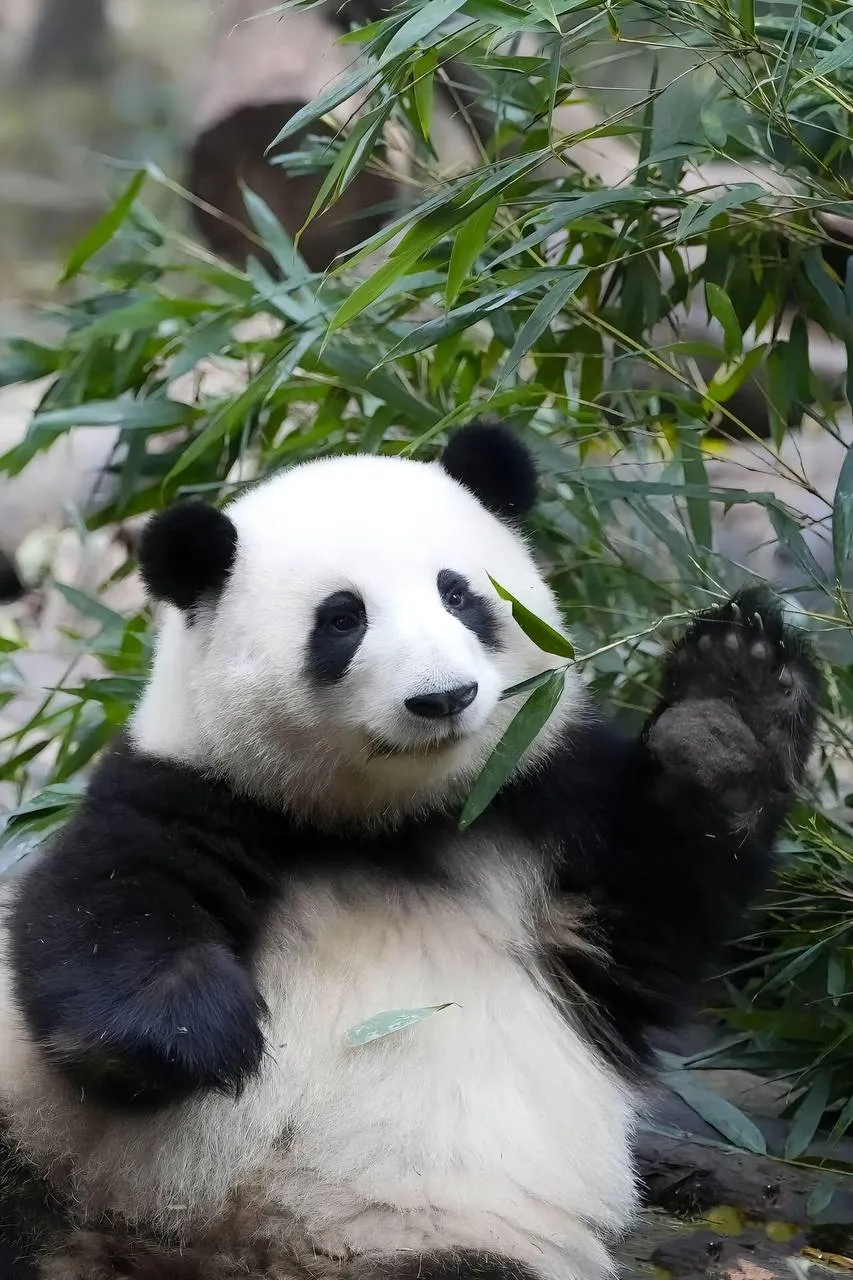
The world's most successful panda breeding center, 10km north of the city center. Arrive before 8:00 AM when the pandas are most active (they sleep 14+ hours a day). The Cubs Enclosure, where babies tumble over each other from about June to September, is the single most crowded exhibit in China relative to its size — get there at opening or skip it entirely.
A 550-meter pedestrian street in the old city, lined with traditional buildings housing tea houses, snack stalls, and craft shops. Come for the late afternoon, stay for the evening lanterns. The bing feng (ice cone) from the first stall on the left is legendary — a scoop of crushed ice with sweet red bean paste, a Chengdu institution since the 1940s.
One of the 20th century most extraordinary archaeological discoveries, 40km north of Chengdu. The bronze masks and figurines — some three meters tall — defy every assumption about ancient Chinese art. Allow 3-4 hours. Combined with a morning at the Panda Base, this is the most complete cultural-nature day trip in Sichuan.
March to June is ideal — pandas are most active, the weather is mild (15-25°C), and the city parks are in bloom. Autumn (September to November) is equally good with cooler temperatures and less rain. Summer (July-August) is hot (35°C+) and humid, but the city is lively. Pandas are harder to see in extreme heat as they retreat indoors. Winter is mild (5-15°C) but grey, and the pandas tend to sleep more — though crowds are minimal and tickets easy to get.
Chengdu Tianfu International Airport (CTU), one of China largest and most modern airports, is 50km east of the city center. High-speed trains arrive at Chengdu East Railway Station from Chongqing (2 hours), Xi'an (4 hours), Beijing (9 hours via Xian), and most major southwestern cities. The metro Line 18 connects the airport to the city center in about 45 minutes. Domestic flights within Sichuan are common for accessing Jiuzhaigou and Huanglong.
At least 3 days, more if you want to do a day trip to the Giant Panda Base or Mount Emei. The city itself rewards lingering — tea house culture is best experienced slowly.
Morning is best — pandas are most active during feeding time around 9–10am. Avoid afternoons when they typically sleep. Go early in the week to avoid weekend crowds.
Sichuan cuisine is famous for its ma-la (numbing spiciness), but restaurants are very used to adjusting spice levels for tourists. Simply say 不辣 (bù là — not spicy) to your waiter.
By air (1 hour to Jiuzhaigou Airport) or by road (7–8 hours). Internal flights are the most practical way to visit Jiuzhaigou, which is a UNESCO World Heritage site of crystalline lakes and waterfalls.
Mild and humid year-round. Spring (March–May) and autumn (September–November) are most comfortable for sightseeing. Summer is warm but not extreme; winters are cool but rarely below freezing.
Let us craft your perfect Chengdu itinerary — tailored to your interests and travel style.
Start Planning →