Guangzhou
Cantonese Culture & Southern China's Culinary Capital
Cantonese Culture & Southern China's Culinary Capital
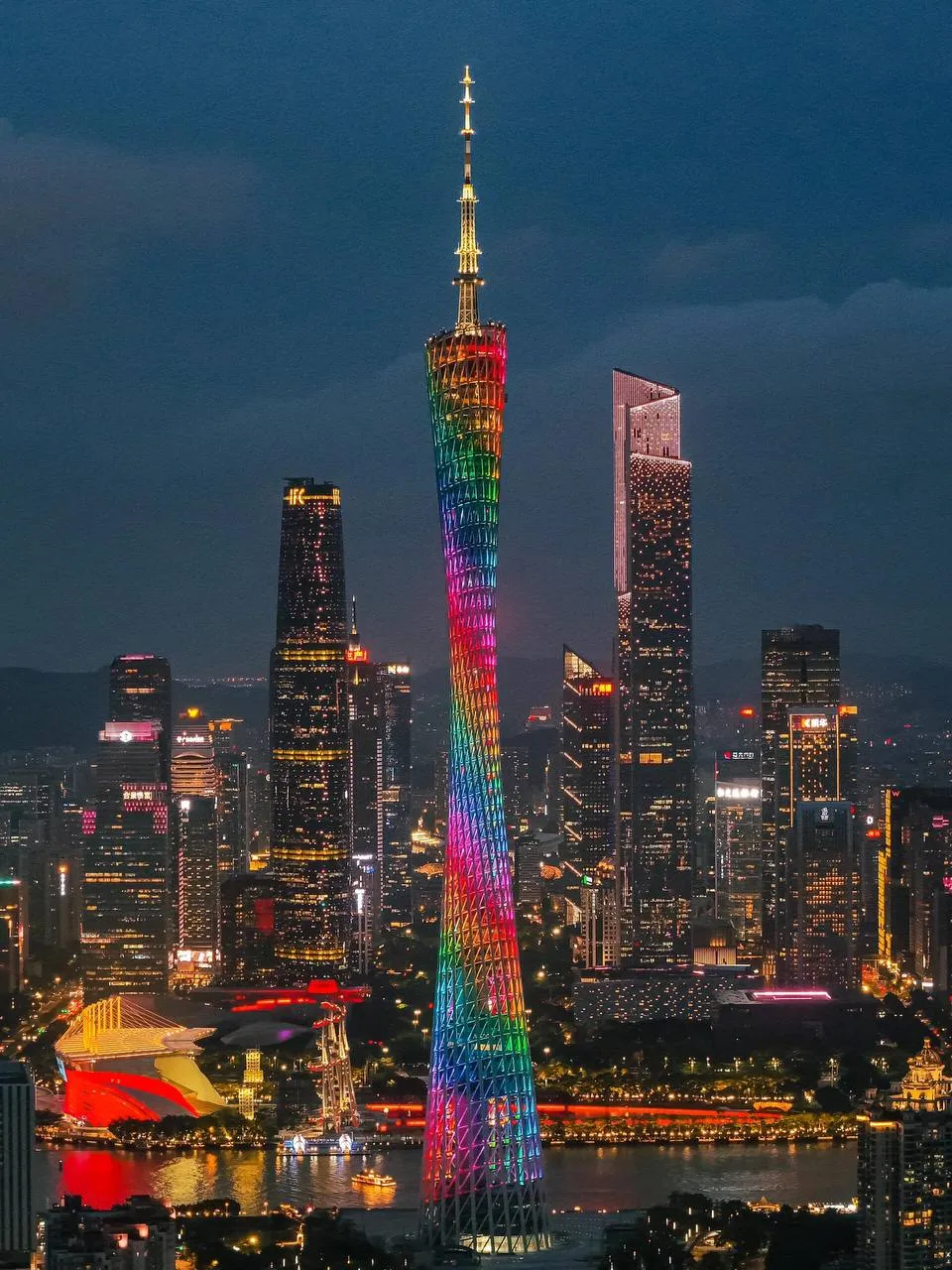
Guangzhou is China original global city — the oldest foreign trade port in the country, where the Pearl River meets the South China Sea and merchants have been arriving from Southeast Asia, the Middle East, and Europe for centuries. The city is the heart of Cantonese culture, the originator of dim sum, and the place where Chinese and Western architecture first collided in earnest. The colonial-era buildings of Shamian Island stand next to the Canton Tower is 600 meters of LED-lit steel, and both feel entirely natural here.
TL;DR — Quick Guide to Guangzhou:
The food alone is worth the trip. Guangzhou invented dim sum — the morning ritual of bamboo steamer baskets filled with har gow, char siu bao, and lo mai gai served with jasmine tea in a neighborhood teahouse is one of the great culinary experiences of the world. Guangzhou people take breakfast (早茶, "morning tea") as a social institution — arrive at 8 AM and you will be sharing a round table with strangers who are perfectly content to spend three hours over the meal.
The 600-meter-tall Canton Tower, the third tallest observation tower in the world, lit nightly with shifting LED patterns. The glass-floored observation deck at 433 meters is genuinely vertiginous — you can see the Pearl River curving away below your feet. Come at sunset, spend two hours watching the city and the river turn dark, then watch the light show begin. The surrounding Zhujiang New Town area has one of the most impressive urban skylines in Asia at night.
A tiny island in the Pearl River with the best-preserved collection of European colonial architecture in China — Gothic churches, neoclassical banks, and Victorian-era consular buildings built by the British, French, and Dutch in the 19th century. The tree-lined streets are peaceful and photogenic, an entirely different atmosphere from the dense city around it. Come on a weekday morning for empty streets and good light for photography. The island has a small but good selection of cafes.
Guangzhou morning tea is a non-negotiable experience — bamboo steamer baskets of dim sum, an endless pot of jasmine tea, and three hours of unhurried social ritual in a neighborhood restaurant. Join the locals at Tao Tao Ju (陶陶居) or Panxi (泮溪酒家), both historic institutions that have been operating since the late 1800s. Point at what you want from the passing carts, drink tea slowly, and let the morning unfold. It is a genuinely unique Guangzhou institution.
October to December is ideal — the humidity drops, temperatures settle to a comfortable 15-25°C, and the sky is clearest. January and February are also mild (10-20°C) but can be grey. Spring (March-May) is warm and increasingly humid. Summer (June to September) is hot (35°C+), typhoon season, and intensely humid. The Canton Fair (China largest trade fair, every April and October) brings significant business tourism and higher hotel prices.
Guangzhou Baiyun International Airport (CAN) is 30km north of the city center, one of China busiest airports and a major hub for Southeast Asia routes. High-speed trains arrive at Guangzhou South Railway Station and Guangzhou Railway Station from Shenzhen (30 minutes), Hong Kong (1 hour via the new cross-border Express Rail Link), Beijing (8 hours), and most major cities. The metro system connects the airport, train stations, and major tourist areas efficiently.
2–3 days. Guangzhou is primarily a business and culinary city — the highlights can be covered efficiently in a long weekend.
Cantonese cuisine — the world's first food capital. Dim sum, fresh seafood, and slow-cooked dishes are woven into daily life here. The city also has a remarkably well-preserved colonial heritage on Shamian Island.
Not particularly. Mid-range meals are $10–20 per person. Accommodation ranges from affordable business hotels to luxury chains. It's one of China's more affordable major cities for visitors.
October to December — the weather is most comfortable and the city is least humid. Spring (March–May) is also pleasant, though it can be rainy.
Yes — the metro is extensive, cheap, and has English signage. Taxis are inexpensive. The city is well-connected by high-speed rail to Shenzhen, Hong Kong, and other Pearl River Delta cities.
Let us craft your perfect Guangzhou itinerary — tailored to your interests and travel style.
Start Planning →