Macau
Where East Meets West — Portuguese Heritage & World-Class Dining
Where East Meets West — Portuguese Heritage & World-Class Dining
Macau is the most improbable city in Asia — a Special Administrative Region of China where 450 years of Portuguese colonial rule left behind an entirely different atmosphere from anywhere else in the country. The historic center, a UNESCO World Heritage Site, is a unique urban fabric of pastel-colored colonial mansions, baroque churches, Moorish-style squares, and cobblestone streets that dead-end into neon-lit casino entrances. Mandarin and Cantonese coexist with Portuguese on street signs; egg tarts are baked fresh at every corner bakery; the sound of fado drifts out of a heritage building at dusk.
TL;DR — Quick Guide to Macau:
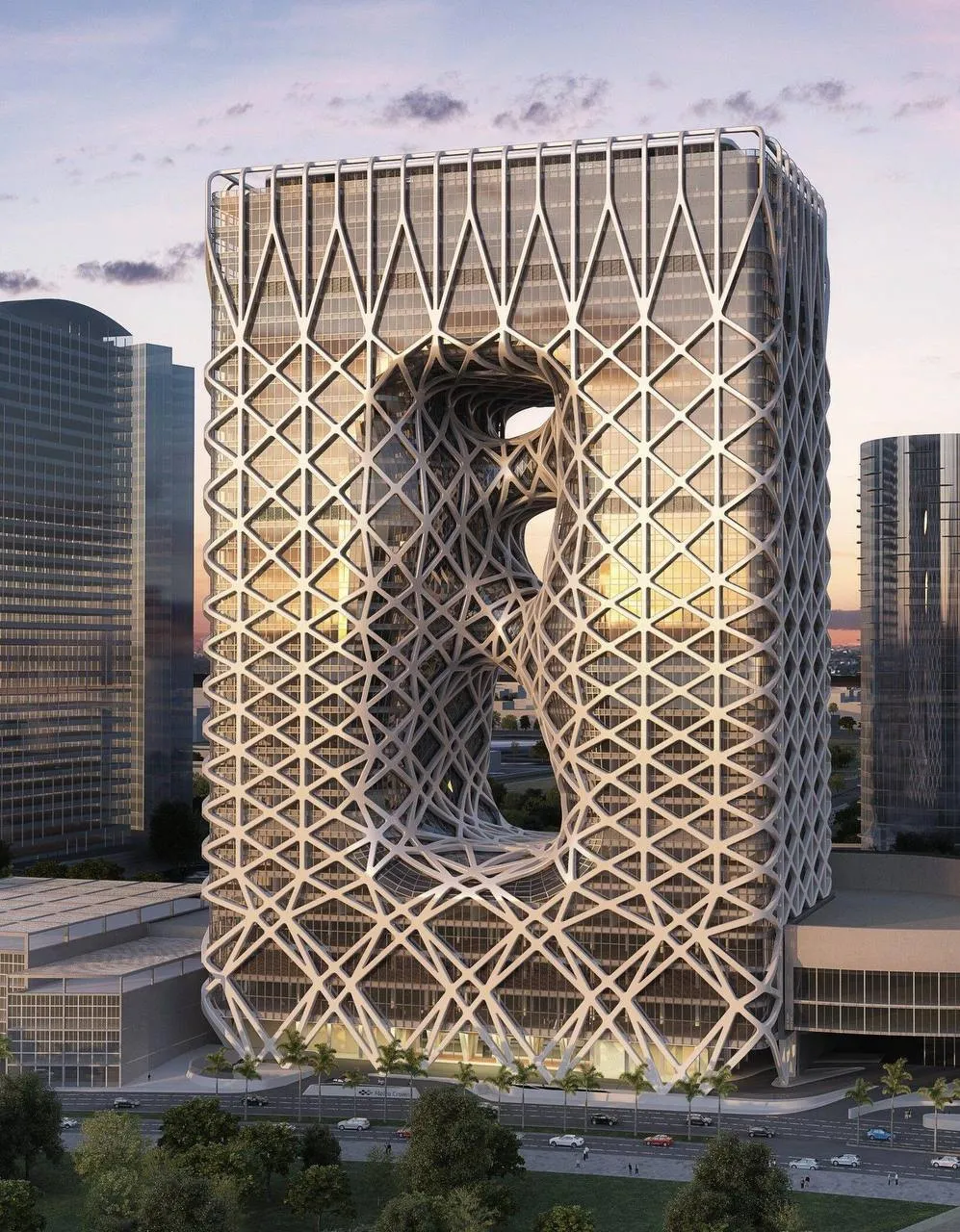
The city is compact enough to explore fully in two to three days. The real Macau — away from the Cotai casino strip — is found in the old streets of Senado Square, on the steps of the Ruins of St. Paul, and in the village of Coloane, where the pace slows to something closer to a Portuguese small town than a Chinese Special Administrative Region. Come for the contrasts: gilded casino resorts next to colonial fortresses, Michelin-starred dim sum inside a converted Macau casino, and the city that cannot decide what it is and seems to be enjoying the ambiguity.
The stone facade of what was once the largest church in Asia — built in 1580, destroyed by fire in 1835, and left as a haunting skeleton of its former self. The facade is extraordinary from any angle, but the best view is from the steps of the adjacent museum at dusk. The surrounding old city streets are Macau most photogenic area at sunset, when the pastel buildings are lit in warm tones and the smell of pork chop buns drifts from the nearby bakery.
The 400-year-old cobblestone piazza at the heart of old Macau, surrounded by Art Nouveau buildings in pastel pink, yellow, and cream. The wave-patterned mosaic floor is the most recognizable image of old Macau. The square is always busy — locals playing chess, tourists photographing the architecture, street performers on weekend evenings — and it is an excellent base for a day of wandering the narrow streets around it.
The southernmost part of Macau, a quiet village of low-rise houses and Portuguese cafes around a small bay with black-sand beach (Hac Sa, meaning "dark sand"). The beach is not a resort destination — it is the most relaxed stretch of coast in the Macau SAR, backed by rocky headlands and informal seafood restaurants serving grilled fish by weight. The nearby A-Ma Temple, dedicated to the goddess Mazu, is Macau oldest temple, pre-dating the Portuguese arrival by several centuries.
October to December is the best window — mild temperatures (18-25°C), the least rain, and the least humidity. The Macau Grand Prix in November is spectacular but expensive and hotel rooms book out months in advance. March to May is equally pleasant with warm temperatures (20-28°C). Summer (June to September) is hot, humid, and typhoon season — the Cotai casinos are air-conditioned refuge from the weather. January and February are the quietest months with the cheapest hotel rates.
Macau International Airport (MFM) has flights to mainland China, Southeast Asia, and some regional routes. The most dramatic arrival is via ferry from Hong Kong (60-75 minutes, departs hourly from Hong Kong Macau Ferry Terminal in Sheung Wan) or via the Hong Kong-Zhuhai-Macau Bridge (HZMB) — the 55km bridge that connects Hong Kong, Zhuhai, and Macau in one continuous journey and is one of the world most extraordinary pieces of infrastructure. Cross-border bus services from Zhuhai (via the Gongbei port) are the cheapest and most frequent option.
1–2 days as a side trip from Hong Kong (1 hour by ferry). The UNESCO historic centre can be covered in one full day; a second day allows time for the casino strip and surrounding islands.
Most nationalities get a visa on arrival or a free entry permit at the border. Check current visa requirements for your passport before travelling.
Two things: Portuguese colonial heritage (UNESCO-listed historic centre with cobblestone streets and pastel churches) and Las Vegas-scale casino resorts on the Cotai Strip.
Moderate. Budget accommodation is available from $40/night. Meals from $5–15 at local eateries. The casino resorts are high-end but the old town has many affordable options.
Yes — ferries run every 15–30 minutes between Hong Kong Central and Macau Taipa Ferry Terminal (1 hour). High-speed ferries also connect from Hong Kong International Airport. Some visitors do both in one trip.
Let us craft your perfect Macau itinerary — tailored to your interests and travel style.
Start Planning →