Shenzhen
China's Innovation Hub — Theme Parks & Modern Architecture
China's Innovation Hub — Theme Parks & Modern Architecture
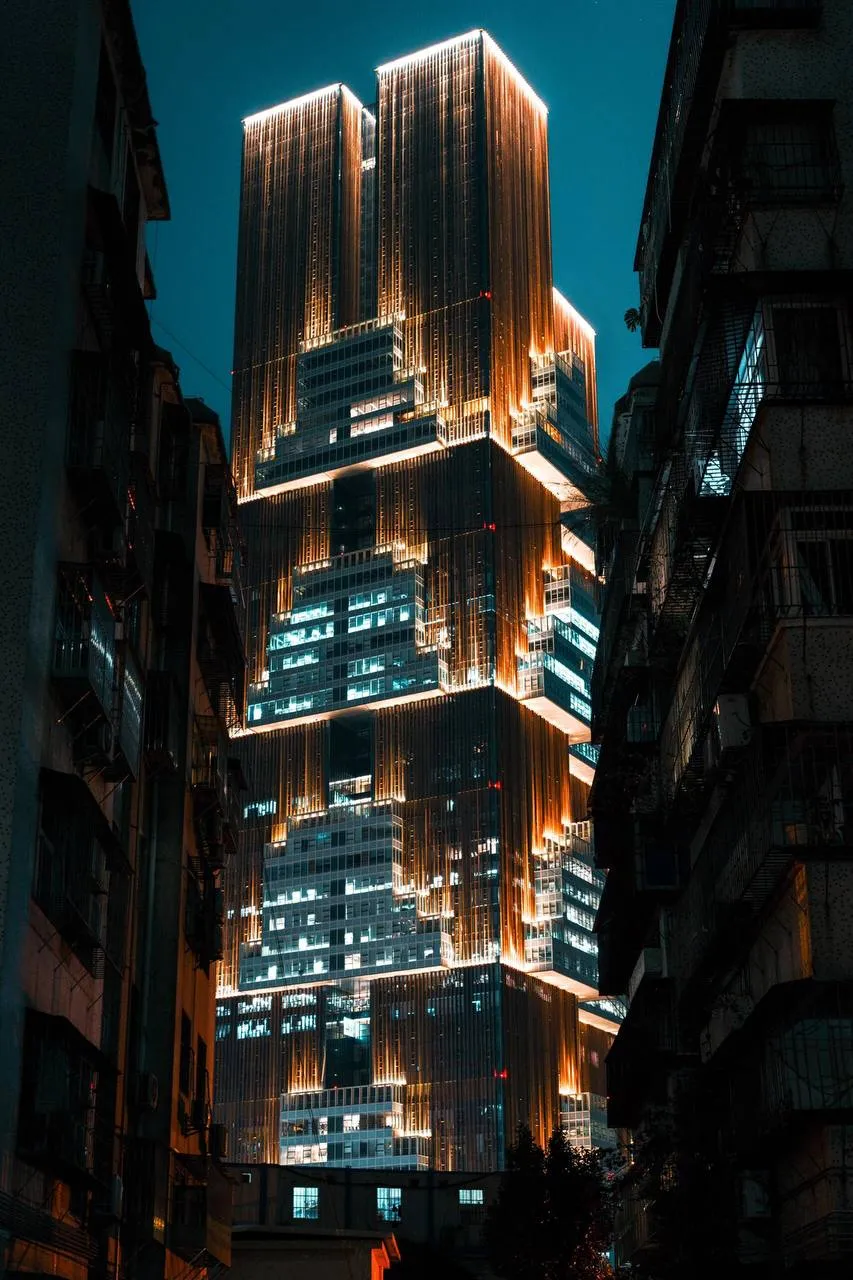
Shenzhen is the most dramatic urban success story of the 20th century. In 1980 it was a fishing village of 30,000 people. Today it is a city of 18 million, the technology manufacturing capital of the world, and home to some of the most ambitious architecture and urban planning of the 21st century. The city has the feel of a place that was deliberately built to show the world what a modern Chinese city can look like — wide boulevards, clean metro systems, parks built into former industrial zones, and a skyline that rivals Pudong Shanghai. Huaqiangbei, the world largest electronics market, sells every component that powers the global technology industry.
TL;DR — Quick Guide to Shenzhen:
Most international visitors come for the theme parks — Window of the World and Happy Valley are among the best-maintained theme parks in Asia — or as a shopping destination, where electronics, fashion, and luxury goods are sold at significant discounts. But the most interesting Shenzhen is found in its art districts (OCT Loft), its urban parks (Shenzhen Bay Park), and its proximity to Hong Kong and the UNESCO-listed Dapeng Fortress, which is 60km east of the city and makes an excellent day trip.
A theme park containing 1:1 scale replicas of the Eiffel Tower, Colosseum, Taj Mahal, Egyptian Pyramids, and 100+ other world landmarks — all built in the 1990s and maintained to a remarkable standard. The Eiffel Tower replica is 108 meters and offers one of the best views in Shenzhen. Come in the evening when the parks are lit up and the crowds have thinned. Budget 4-5 hours for a proper visit.
Three floors of stalls after stalls of components, circuit boards, cables, phone parts, drones, and gadgets of every conceivable type. This is where the global electronics supply chain comes to buy — the same components that appear in Apple or Samsung products pass through here. Even if you are not buying, wandering the aisles is a fascinating experience. The market runs from 10am to 9pm daily; the best time is after 2pm when the crowds thin.
A 600-year-old Ming Dynasty fortress 60km east of Shenzhen, a UNESCO World Heritage Site and the best-preserved coastal fortress in China. The walls, watchtowers, and ancient streets inside the fortress have been meticulously restored. It was the site of the Battle of Dapeng during the Opium Wars — the siege of 1899 is dramatically told in the small but excellent museum on site. Combine with a visit to the nearby Dapeng Peninsula beaches, which are cleaner and less crowded than anything inside the city.
November to December is the best window — temperatures 15-25°C, dry, and clear. January and February are mild (10-20°C) and the Chinese New Year period brings special decorations and events. Spring (March to May) is warm and increasingly humid. Summer (June to October) is hot (30-35°C), typhoon season, and intensely humid. Most indoor attractions — Window of the World, Happy Valley, the electronics markets — are fully air-conditioned and comfortable year-round.
Shenzhen Bao'an International Airport (SZX) is 35km west of the city, one of China busiest airports and a major hub for routes to Southeast Asia, Japan, and Korea. High-speed trains arrive at Shenzhen Railway Station and Shenzhen North Railway Station from Hong Kong (15 minutes via the Express Rail Link), Guangzhou (35 minutes), and Beijing (9 hours). The metro system is extensive and connects all major tourist areas, including direct access from the Hong Kong border at Lok Ma Chau.
1–2 days. Shenzhen is a modern megacity primarily visited as a shopping and tech destination, with a few cultural attractions and beaches on its outskirts.
It depends on what you're after. The city has surprisingly good museums (MOCA, Museum of the Boat People), Splendid China Folk Village (miniature landmarks), and Dapeng Peninsula beaches. But it's not a traditional sightseeing city.
Shenzhen sits directly across the border from Hong Kong — connected by metro (Luohu/Lo Wu) and multiple rail links. Many visitors use Shenzhen as a budget alternative to Hong Kong for accommodation and food.
October to January — mild temperatures (15–25°C) and low humidity make sightseeing comfortable. Summer is hot and humid; spring is pleasant but can be rainy.
Moderate. Luxury hotels offer good value compared to Hong Kong. Local meals are very affordable ($5–15). Shopping in Luohu or Huaqiangbei electronics markets is a major draw.
Let us craft your perfect Shenzhen itinerary — tailored to your interests and travel style.
Start Planning →