Suzhou
Venice of the East — Classical Gardens & Silk Heritage
Venice of the East — Classical Gardens & Silk Heritage
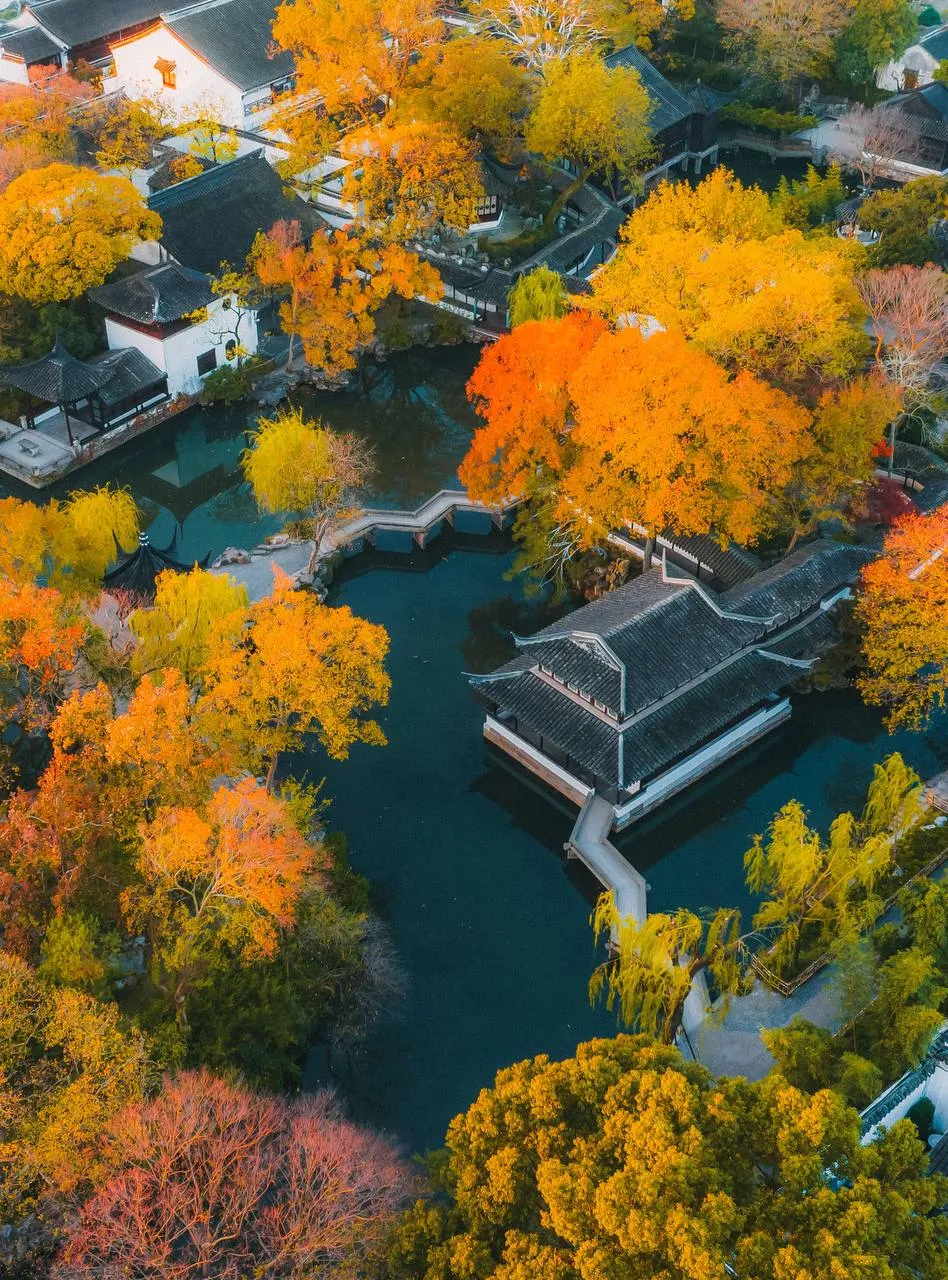
Suzhou is the most deliberate city in China. While the rest of the country rushes toward the future, Suzhou has spent 2,500 years perfecting the art of sitting still. The city is a UNESCO-listed landscape of canals, classical gardens, and silk production. Its 72 classical gardens — of which 9 are open to the public — represent the highest achievement of Chinese garden design, each one a compressed universe of rock, water, architecture, and plants arranged to create a different emotional effect from every viewpoint.
TL;DR — Quick Guide to Suzhou:
The city is also one of the most walkable in China. Nanxi and Pingjiang Road, in the old city, are intact canal streets where laundry hangs between Ming Dynasty shopfronts and elderly residents take their morning tea in the same spots their families have occupied for generations. It is simultaneously one of China largest cities by GDP and one of its most tranquil.
The most famous classical garden in China, 52,000 square meters, with a central lake, islands, and pavilions arranged to create 18 different scenic views. Allow 2-3 hours minimum. Arrive at opening (7:30 AM) when the mist settles over the water and the garden belongs to the birds and the locals doing tai chi on the lawn before the tour buses arrive at 10 AM.
An 800-meter canal street in the old city, lined with traditional buildings that now house tea houses, silk shops, and small craft studios. The best time is early morning, before 7 AM, when the street belongs to the locals — elderly residents fetching water from the canal, shop owners opening their shutters. An evening visit, when the lanterns are lit and the canal reflects the old shopfronts, is equally magical.
Suzhou is the birthplace of silk, and this museum traces 5,000 years of silk production — from the first silkworm cocoons found in ancient tombs to the intricate brocades still woven on antique looms. The museum includes a working workshop where you can watch weavers create intricate Suzhou brocade using techniques unchanged for centuries. Allow 1-2 hours. Combine with a visit to the nearby Pingjiang Road.
April to June is the best season — the gardens are lush, the canal water is at its highest, and the weather is mild (15-28°C). April is particularly beautiful when the wisteria blooms along garden walls and the canals are full from spring rains. Autumn (September to November) is equally good, with cooler temperatures and the famous autumn moon over the lake. Summer is hot and humid (35°C+). Winter is cold (0-12°C) and the gardens are at their quietest, which some argue is their most authentic state.
No major airport — Suzhou is best accessed by high-speed rail. Suzhou North Railway Station and Suzhou Railway Station are the main arrivals. Trains from Shanghai take 30 minutes (departing Shanghai Hongqiao or Shanghai Station); from Nanjing 70 minutes; from Beijing 4.5 hours. Suzhou is easily combined with Shanghai as a day trip, though the city deserves at least one full night. The city is compact and the old town is walkable; taxi rides across the city rarely exceed $5.
1–2 days. Suzhou is compact and its classical gardens can be experienced in a focused visit. Most visitors do it as a day trip from Shanghai (30 min by high-speed train).
The Humble Administrator's Garden (Zhuozheng Yuan) is the largest and most famous — allow 2–3 hours. Lingering Garden is slightly smaller but equally impressive. Both are UNESCO-listed.
Yes — the old town (Pingjiang Road area) is best explored on foot or by bicycle. The modern city is well-served by metro. The classical gardens are within easy reach of each other.
April to May and September to October. Spring brings flowers and comfortable temperatures; autumn offers golden ginkgo leaves and crisp skies.
Yes — it's a natural add-on with Shanghai (30 min apart), or with Wuxi's Tai Lake. It works well as a stop between Shanghai and Hangzhou on a Yangtze Delta itinerary.
Let us craft your perfect Suzhou itinerary — tailored to your interests and travel style.
Start Planning →